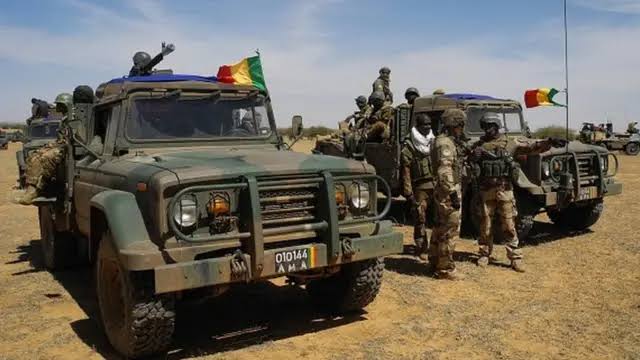
The Bakel Department in eastern Senegal is facing growing security, environmental, and humanitarian pressures linked to instability in neighboring Mali, according to Megatrends Afrika in Policy Brief 46 published in March 2026.
The report, authored by Hannah Rae Armstrong, highlights the increasing activity of the jihadist group Jama’at Nusrat al-Islam wal-Muslimin (JNIM) in western Mali’s Kayes Region, including attacks near the border town of Diboli, just 2 km from Kidira in Senegal.
Despite this, the report says the group currently lacks the capacity to expand operations into Senegal.
Beyond the jihadist threat, the study notes a rise in banditry and cattle rustling, which has caused significant financial losses and heightened insecurity among local communities.
The report also raises alarm over pollution of the Falémé River due to artisanal and semi-industrial gold mining.
In response, Bassirou Diomaye Faye suspended mining activities within 500 meters of the river in 2024, leading to the dismantling of dozens of mining sites.
Senegal has strengthened its security presence in the region, including deploying the Rapid Action Group – Surveillance and Intervention (GARSI) and conducting joint patrols with Mali.
However, the report warns that ethnic tensions, refugee flows, and economic hardship could increase vulnerability to extremist influence.
Researchers recommend greater investment in infrastructure and social services, stronger cross-border security cooperation, and closer involvement of local communities in managing environmental challenges along the border.