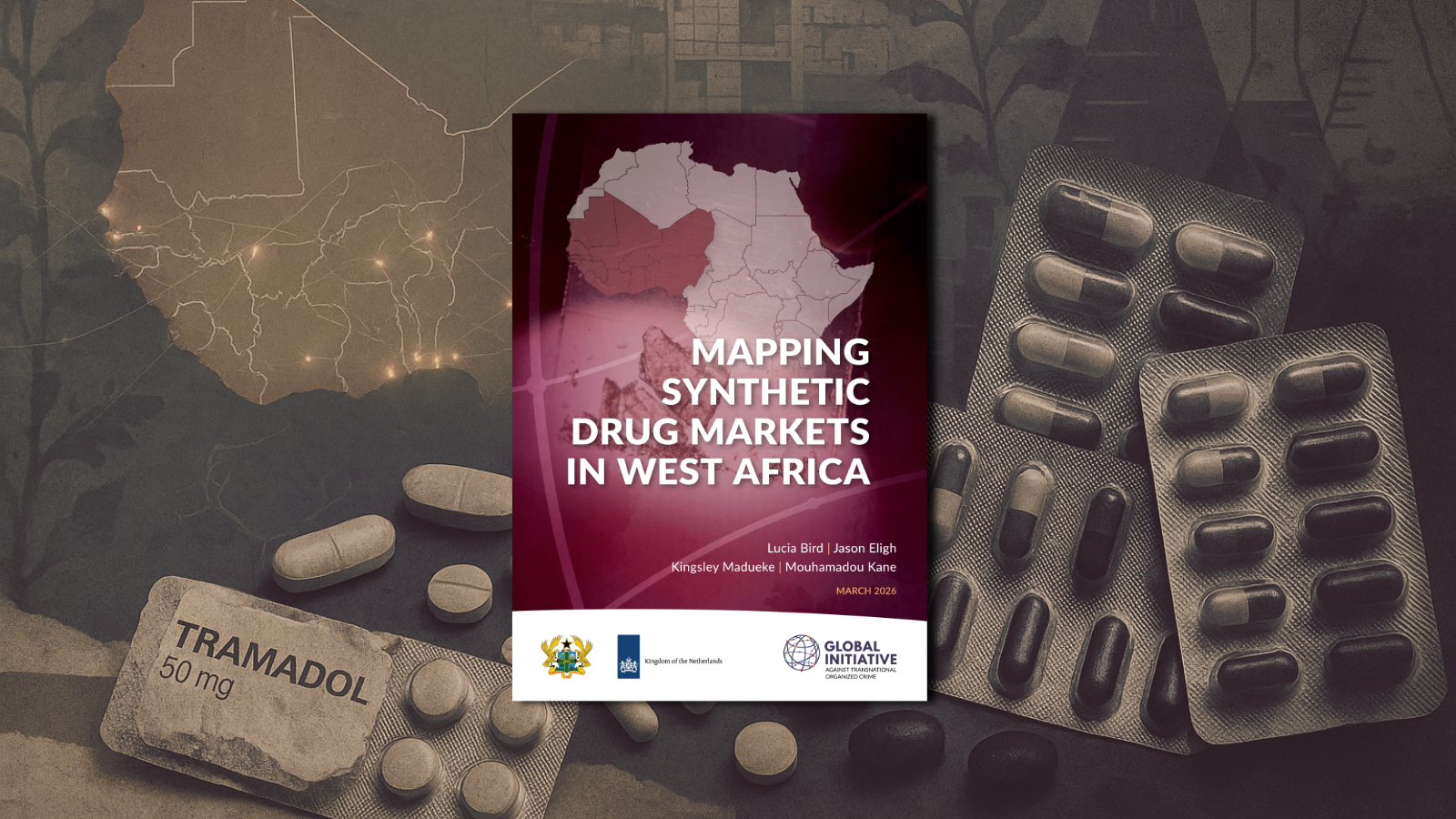
A new study by the Global Initiative Against Transnational Organized Crime warns that the rapid spread of synthetic drugs is posing one of the most serious threats to public health and security in West Africa.
The March 2026 report, Synthesis – Mapping Synthetic Drug Markets in West Africa, reveals that traditional plant-based drug markets are increasingly being replaced by decentralized networks dealing in synthetic substances such as cannabinoids, nitazenes and opioid-based drugs including tramadol and tapentadol.
The study highlights a sharp rise in overdoses, chronic illnesses and severe mental health conditions, particularly among young people, while two countries in the subregion have already declared states of emergency to address the crisis.
Researchers say the growing market is driven by low entry costs, easy access to chemical precursors through global supply chains and the use of digital platforms that allow anonymous transactions and online purchases of substances from Asia and Europe.
According to the report, these synthetic drug markets have become a gateway for emerging criminal actors who use the profits to finance other illegal activities and strengthen organized crime networks.
Despite the escalating threat, the region’s response remains limited due to weak surveillance systems, insufficient laboratory capacity and inadequate treatment and rehabilitation resources.
The findings, shared with the Economic Community of West African States and the West African Epidemiological Network on Drug Use, call for stronger regional coordination and multi-stakeholder action to prevent long-term damage to the region’s stability and public health.