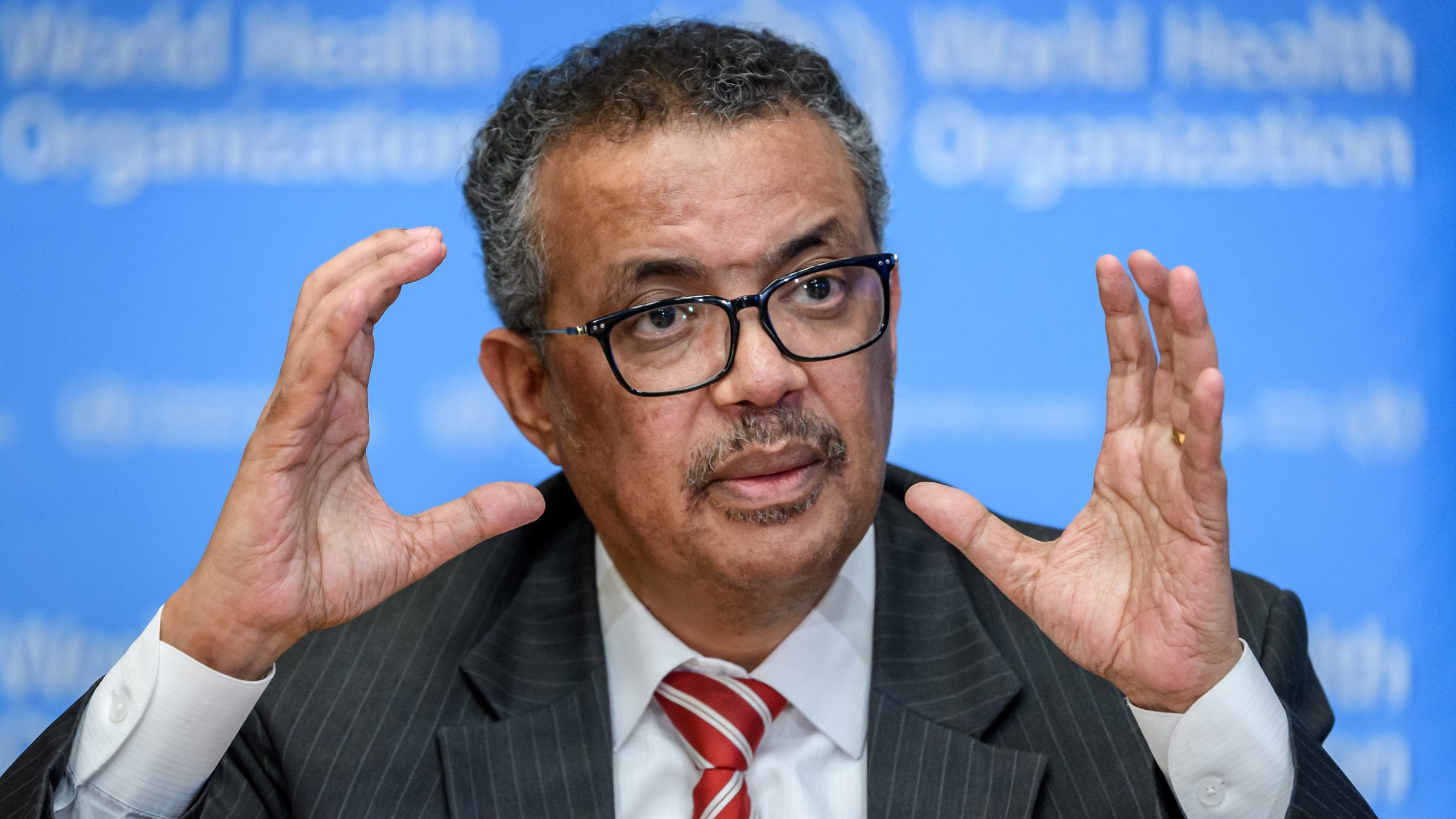
The Director-General of the World Health Organization, Tedros Adhanom Ghebreyesus, has declared the Ebola outbreak linked to the Bundibugyo virus strain in the Democratic Republic of the Congo and Uganda a Public Health Emergency of International Concern (PHEIC).
As of May 16, 2026, health authorities had recorded eight confirmed cases, 246 suspected cases and 80 suspected deaths in Ituri Province in eastern DRC, particularly in Bunia, Rwampara and Mongbwalu.
Uganda also confirmed two imported cases in Kampala involving travelers arriving from the DRC, while another confirmed case was detected in Kinshasa.
The Bundibugyo Ebola strain, first identified in Uganda in 2007, is considered less deadly than the Ebola-Zaire strain, but no approved vaccine or treatment currently exists for it.
The WHO warned that the outbreak is being worsened by high population movement, insecurity in eastern DRC and evidence of transmission within healthcare facilities after at least four health workers died.
The UN health agency has urged both countries to strengthen surveillance, laboratory testing, emergency coordination and infection prevention measures, while establishing specialized treatment centers.
Authorities have also imposed international travel restrictions on people who had contact with confirmed cases, alongside health screening at departure points.
However, the WHO advised other countries not to close borders or impose trade restrictions, arguing that such actions lack scientific justification and could worsen the crisis by pushing movements through uncontrolled crossings.