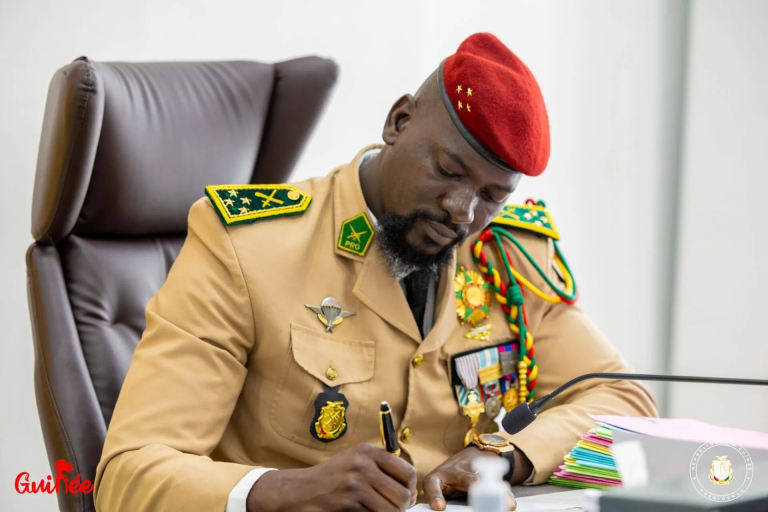
The armed forces in Guinea-Bissau have unveiled a new Political Charter of Transition, released on Monday, 8 December, outlining a 12-month framework to steer the country following the disruption of constitutional rule on 26 November.
Adopted by the High Military Command the day after the crisis, the charter reshapes the distribution of state authority while keeping parts of the existing Constitution in force.
According to the document submitted to the Supreme Court, the military justifies its takeover by alleging the discovery of a plot “supported by criminal networks involved in drug trafficking,” along with efforts to incite unrest, manipulate electoral outcomes, and inflame tribal tensions.
A hidden weapons stockpile allegedly linked to the plan was also cited as evidence of an imminent threat of civil conflict.
In the immediate aftermath, the High Command dismissed the president, halted the electoral process, and suspended several state institutions. However, the charter states that fundamental rights, civil liberties, and the judicial system will remain intact during the transition.
Under the new arrangement, the transition will be governed by four bodies:
- a President of the Transitional Republic, appointed by the military leadership;
- the High Military Command, which will serve as the top political authority;
- a 65-seat National Transitional Council wielding legislative power; and
- a Transitional Government led by a prime minister.
The transition is expected to last no longer than one year, with national elections scheduled no sooner than 90 days after a date is formally announced.